“ELEVATE ’25” conclave: AI adoption, talent strategy and future of work

Table of Contents

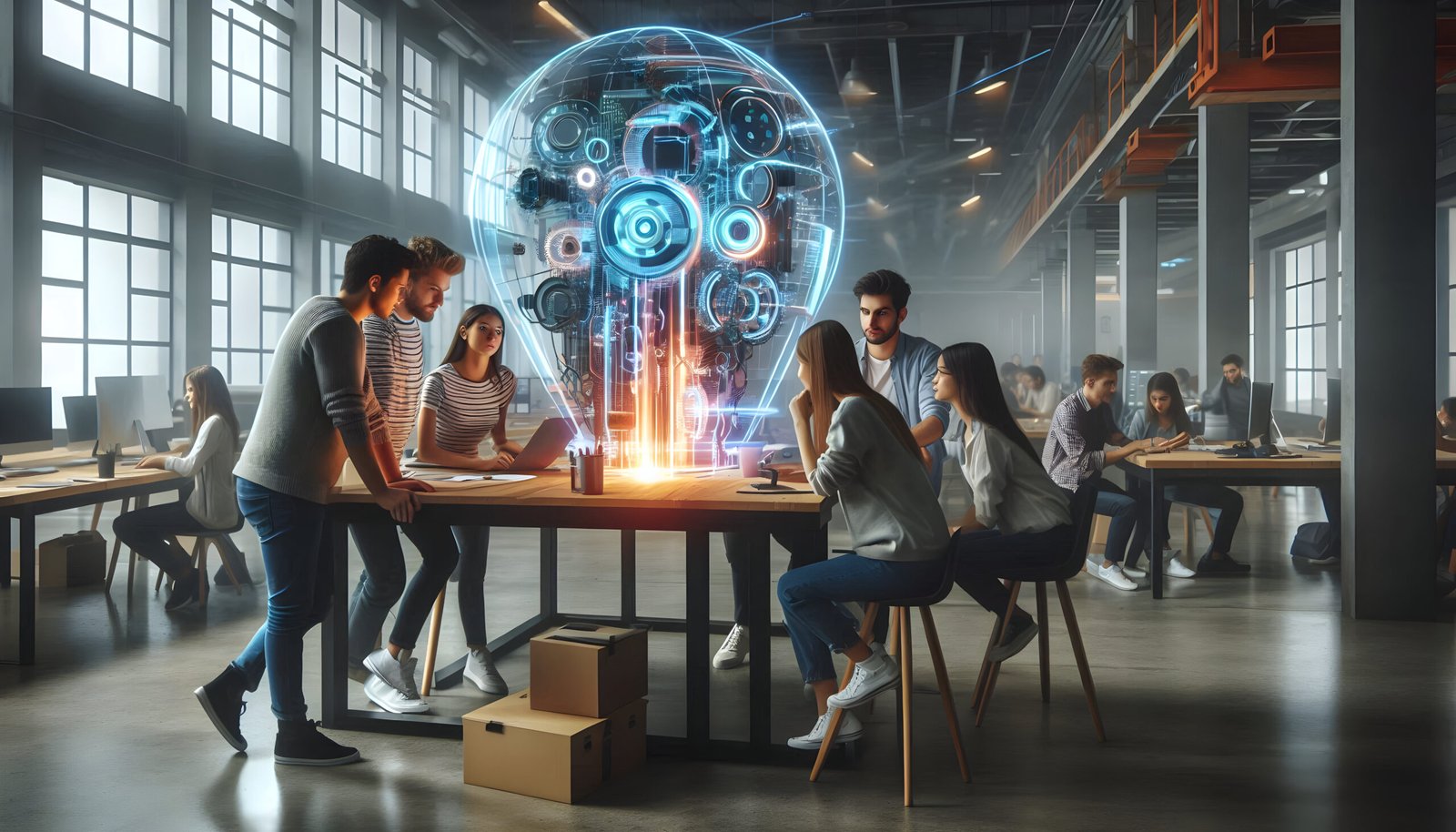
When I read the coverage of the “ELEVATE ’25” conclave in Thiruvananthapuram, where business, academic, and government leaders came together to discuss the human–AI nexus, I felt something shift. Not because AI is new, but because the conversation is finally maturing. We have moved past fear, past fascination, and arrived at a more meaningful point: How do humans and AI build better workplaces together?

As someone who has spent more than two decades building HR technology, I see this moment as an inflection point. AI is no longer a backend utility; it is now a partner in decision-making, talent strategy, and organizational design. But technology alone does not build better workplaces. Intention does.

And HR leaders stand today at the crossroads of innovation and responsibility.

The signal from ELEVATE ’25

The conclave made it clear that India is no longer discussing AI as a possibility but as infrastructure.

Govt., academia, and industry leaders all echoed a common message that the next era of productivity will come from blending human judgment with machine intelligence. This aligns with global trends documented by Deloitte, Gartner, and SHRM, which consistently highlight that AI adoption in HR is accelerating, not cautiously creeping forward.

AI will not replace HR. But HR professionals who learn to leverage AI will outperform those who don’t.

What AI is already enabling in HR

Across Indian organizations, AI is quietly modernizing how we hire, engage, and develop people.

Here’s where the real impact is visible:

  • Automated recruitment screening reduces manual load while improving fairness.
  • Skill-based candidate matching increases hiring accuracy.
  • Sentiment analysis helps HR gauge employee mood and culture health in real time.
  • Predictive analytics highlight flight risks and productivity shifts.
  • Learning recommendations personalize development journeys.

Today, HR is no longer an administrative function but a data-driven, intelligence-augmented discipline.

Why ethics and trust matter more than speed

A recurring theme at ELEVATE ’25 was responsible AI.
When employees fear AI, it’s rarely because of the technology.
It’s usually because no one explained:

  • how the AI works,
  • what it measures,
  • what it will not do, and
  • how it protects their dignity.

HR’s role in the AI era is not only adoption but education and transparency.
Employees don’t want magic. They want clarity.

Organizations that embrace AI with a human-first approach will build stronger trust than those who simply “deploy and hope.”

The new talent strategy: Human skills + AI intelligence

AI is rewriting the value of skills, but not in the way many assume. Automation handles repetition. Humans elevate what technology cannot through empathy, creativity, leadership, judgement, and collaboration. The future belongs to hybrid talent where people who combine human strengths with AI-enabled capabilities.

This is why companies worldwide are investing in:

  • reskilling,
  • micro-learning,
  • skill architecture, and
  • AI literacy programs.

The organizations winning in 2025 are not the ones the most adaptive skills ecosystem.

How HRMS platforms prepare organizations for this shift

AI-enabled HR is not a distant vision. It becomes real through platforms like Beehive HRMS that help companies operationalize AI through:

  • predictive analytics dashboards
  • workforce insights based on clean integrated data
  • AI-assisted recruitment and screening workflows
  • data-backed performance cycles linked to goals and behaviors
  • intelligent learning recommendations
  • sentiment and engagement signals to guide culture decisions

To make AI meaningful, HR needs systems that are structured, connected, and transparent. This is how organizations shift from reacting to talent problems to anticipating them.

Takeaway

ELEVATE ’25 reminds us that AI in HR is not about replacing people but releasing their potential.
The future of work is not human vs. machine.
It is human + machine, thoughtfully designed.

And as leaders, our responsibility is to build workplaces where technology expands human possibility, not limits it.

FAQ's

How does employee engagement software help with mental health?

It tracks how people feel, what’s stressing them out, and whether they are engaged—so leaders can take action early and build a healthier workplace.

Is Beehive HRMS only for large companies?

Nope. Beehive is scalable and flexible, making it a great fit for startups, SMEs, and enterprises alike.

What makes Beehive different from other staff engagement tools?

It focuses on productivity and more importantly on emotional well-being with features such as happiness surveys and anonymous support channels.

Can Beehive integrate with existing wellness programs?

Yes, it can. It’s designed to enhance what you already have or help you start from scratch.

What’s the ROI of investing in team engagement software?

Better retention, higher productivity, less burnout, and a company culture that doesn’t make people want to flee.

Share:

Facebook
Twitter
Pinterest
LinkedIn